Skip to product information
1 of 1

Specialty Harp

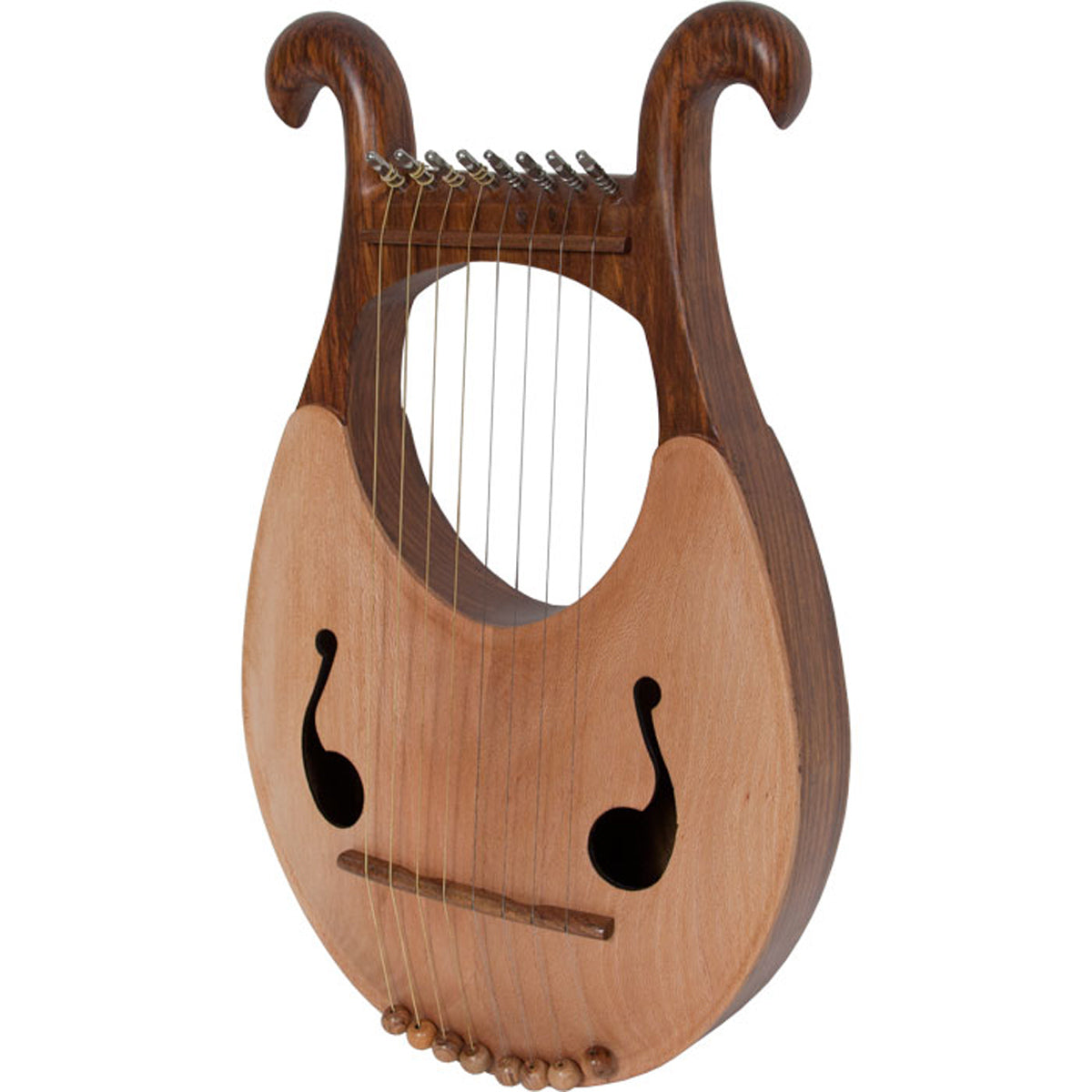
Roosebeck Lyre Harp, 8-String Rosewood with Lacewood Soundboard

Regular price $259
Regular price Sale price $259
Sale Sold out

Free shipping in the continental USA

Shipping calculated at checkout.
Quantity

30-Day Money-Back Guarantee

Return your instrument within 30 days of delivery for a full refund of the purchase price. You cover return shipping; we cover it if the instrument arrives damaged or defective. Read the full refund policy.

8-String Metal Strings Solid Rosewood Lacewood Soundboard Under 2 lbs

Ideal for: Klezmer and Judaic music, meditative playing, and anyone who wants a lyre with a brighter metallic voice

Eight metal strings, a rosewood body, and four traditional tunings to explore.

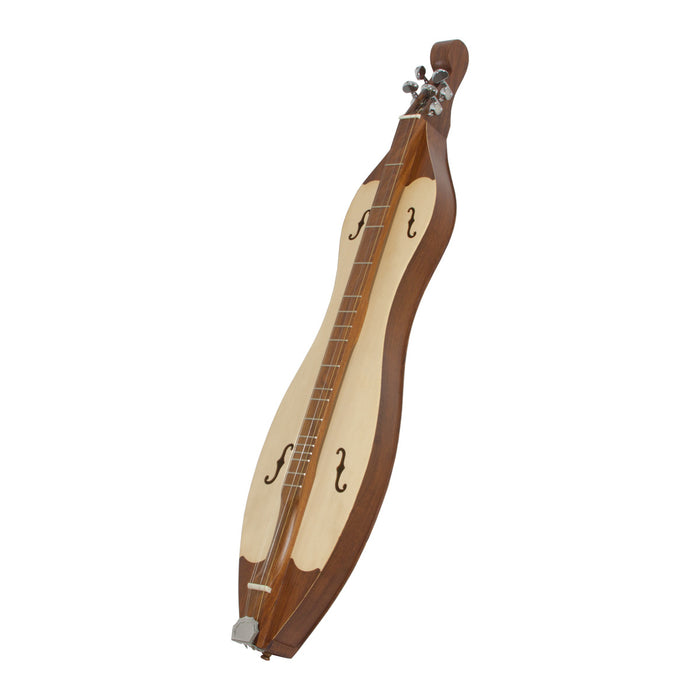
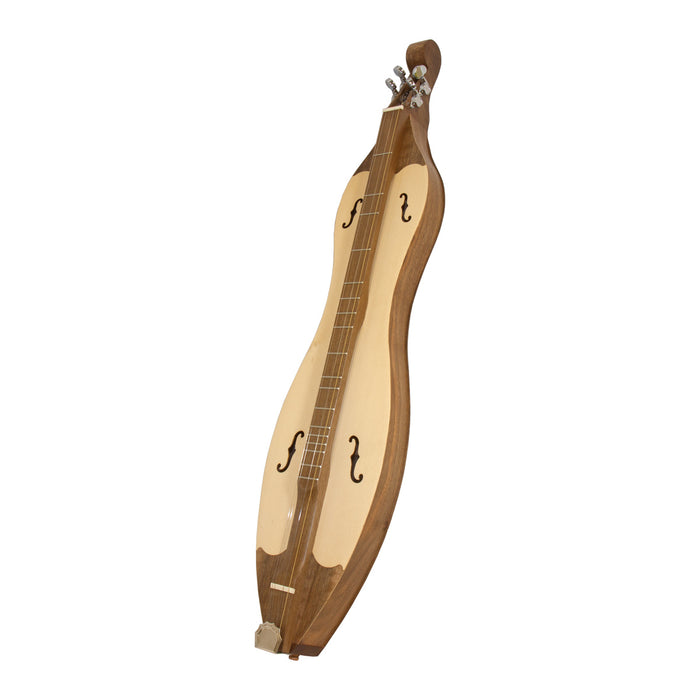
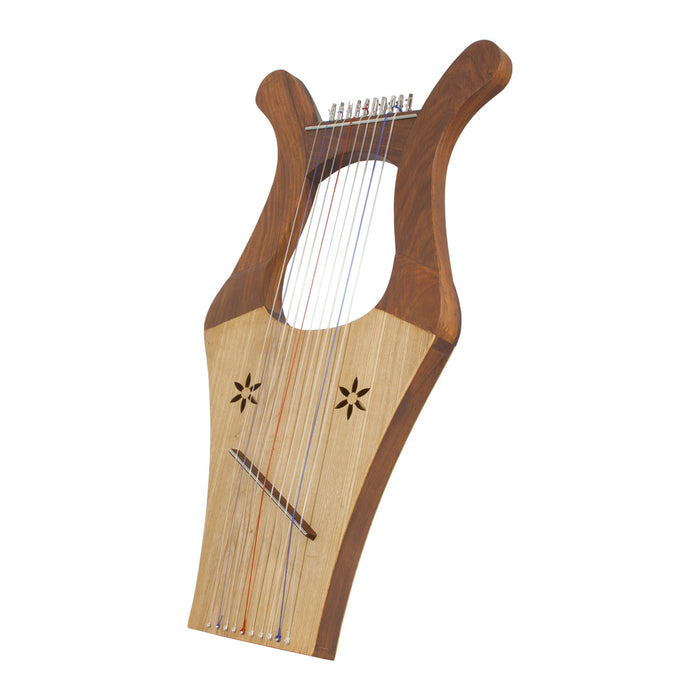
Most small lyres use nylon. This one uses metal, and the difference is immediate: a brighter, more sustaining, faintly bell-like tone that suits modal and Klezmer repertoire in a way nylon does not. The solid rosewood body curves gently around a lacewood soundboard, and at under two pounds you can hold it upright on your lap, play it standing, or lay it flat and pluck from above. When you are not playing it, it hangs on a wall and earns its place there.

A Classical Voice from Metal Strings

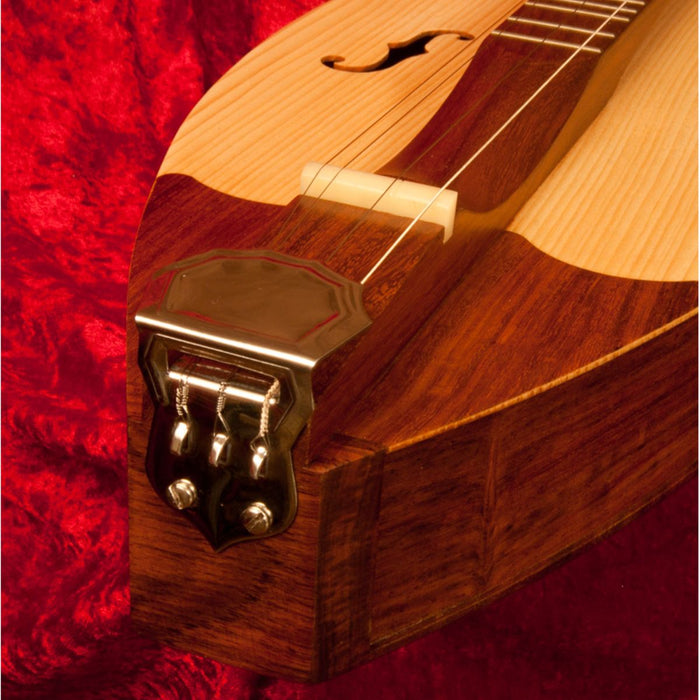
Eight metal strings give this lyre a clear, sustaining tone with more brightness and ring than a nylon-strung instrument of the same size. The lacewood soundboard, with its distinctive flecked grain, is light and responsive, and the solid rosewood body adds warmth underneath so the metal never turns harsh.

Metal or nylon: Nylon strings are softer under the finger and produce a mellow, rounded tone. Metal strings are brighter, louder, and sustain longer, which is what you want for the modal Klezmer and Judaic repertoire this instrument was built for.

Soft Curves in Solid Rosewood

The body is solid rosewood, shaped into the gentle curves that define the lyre form. Rosewood is dense and warm-toned, and it takes a finish that shows the grain rather than hiding it. The lacewood soundboard is the visual counterpoint, pale and flecked with the ray-fleck figure that gives the wood its name.

At roughly 16 inches long, 10 inches wide, and 3 inches deep, and weighing 1.6 pounds, it is genuinely portable. Hold it upright on your lap and pluck both sides of the strings, carry it while you play, or lay it flat on a table and pluck from above. All three work.

Playable art: The lyre form is one of the oldest in the instrument world, and it is one of the few instruments that looks finished hanging on a wall. Many owners keep it visible rather than stored.

Four Tunings Worth Knowing

Eight strings tune to a single scale, so the tuning you choose determines what the instrument can play. Four are worth starting with, each given from the bass string, the largest, up to the treble.

Ahava Raba mode: E F G# A B C D E. An authentic tuning drawn from Judaic worship music, where the lyre accompanied the singing of the Chazzan, the cantor. This is the traditional Chazzanut sound, and the augmented second between F and G# is what gives it that instantly recognizable character.

Misheberakh mode: E F# G A# B C# D E. The Klezmer tuning. In the early Middle Ages in Eastern Europe, the secularization of Jewish worship music gave rise to Klezmer, played by traveling musicians known as klezmorim at weddings and other simkhes. The music later absorbed Slavonic, Greek, Turkish, Romani, and eventually American jazz rhythms, and this mode sits at the center of it.

Natural minor: E F# G A B C D E. Straightforward, and comfortable for singers working in the key of G.

The same notes from D: D E F# G A B C D. Identical pitches to the natural minor above, but starting on D, which makes D the tonic and shifts the whole mood of what you play.

Where to start: If you are new to modal tuning, begin with the natural minor. Once your ear is comfortable, retune to Ahava Raba and play the same simple phrase. Hearing one melody through two modes teaches more about modal music than any amount of reading.

Technical Specifications

Strings 8 metal
Body Solid rosewood
Soundboard Lacewood
Levers None, unlevered
Suggested Tunings Ahava Raba, Misheberakh, natural minor
Dimensions 15.75 inches L × 9.75 inches W × 3 inches D
Weight 1.6 lbs
String care: Strings carry no warranty, and makers suggest replacing them every 3 to 4 months. Keep a spare set on hand, wipe the strings with a dry cloth after playing, and plan on fresh strings if the instrument has been stored for a while.

What's in the Box

Every Lyre Harp ships with the tool you need to tune it.

Tuning Tool Owner's Guide (PDF)

Have questions about this instrument? Contact us or browse all Harps.

Questions about this instrument?
View full details

Roosebeck Lyre Harp, 8-String Rosewood with Lacewood Soundboard

Regular price $259
Regular price Sale price $259
Tradition you can feel, craftsmanship you can hear.
Solid tonewoods
Cured, cut, and chosen for sound.
Voiced by hand
Fretboards dressed, action set, bridges fit by our luthiers.
Made to be played
Built for working musicians, designed to sound better the more you play it.
Since 1973
Five decades of building instruments that last generations.