Ideal for: Mountain dulcimer players who want to change keys or modes without retuning
A simple, beautifully made wooden capo for changing keys on the fly.
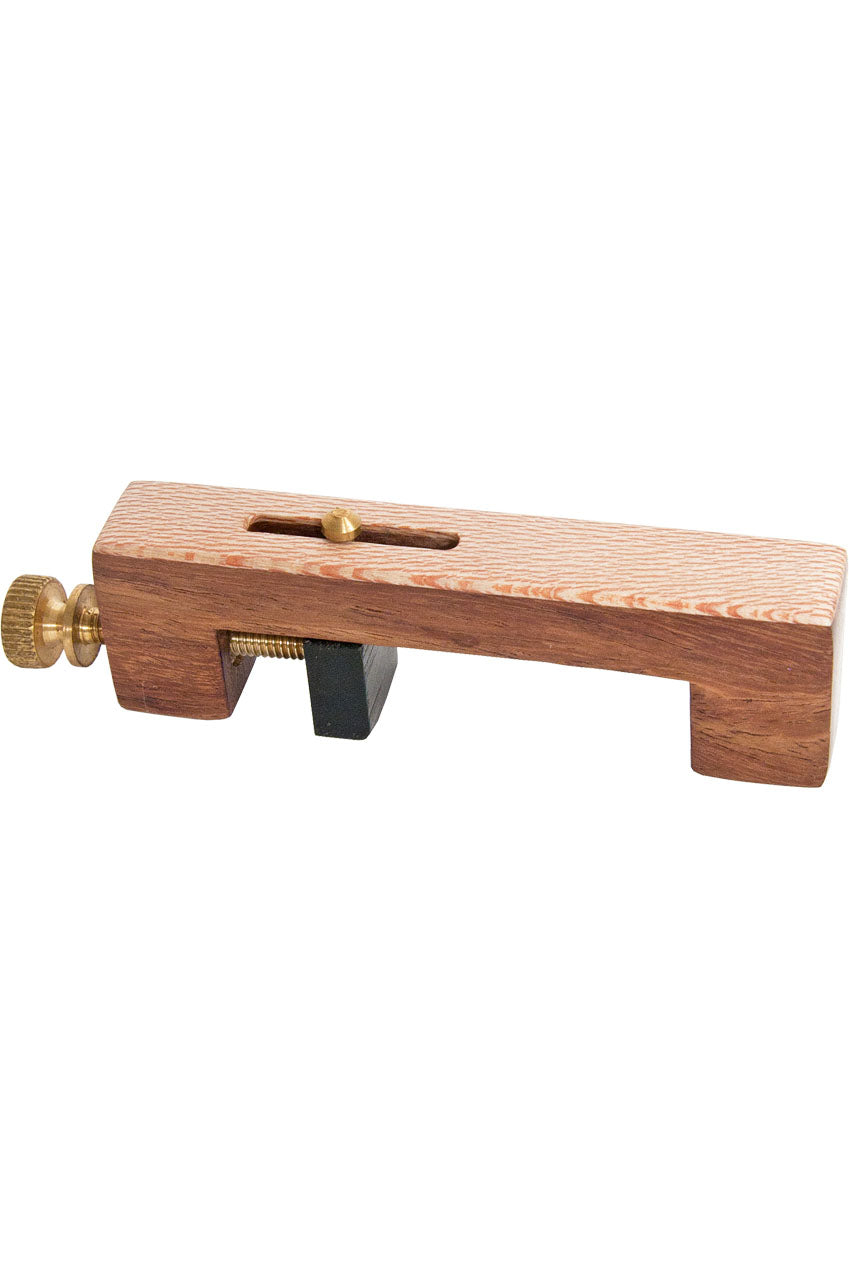
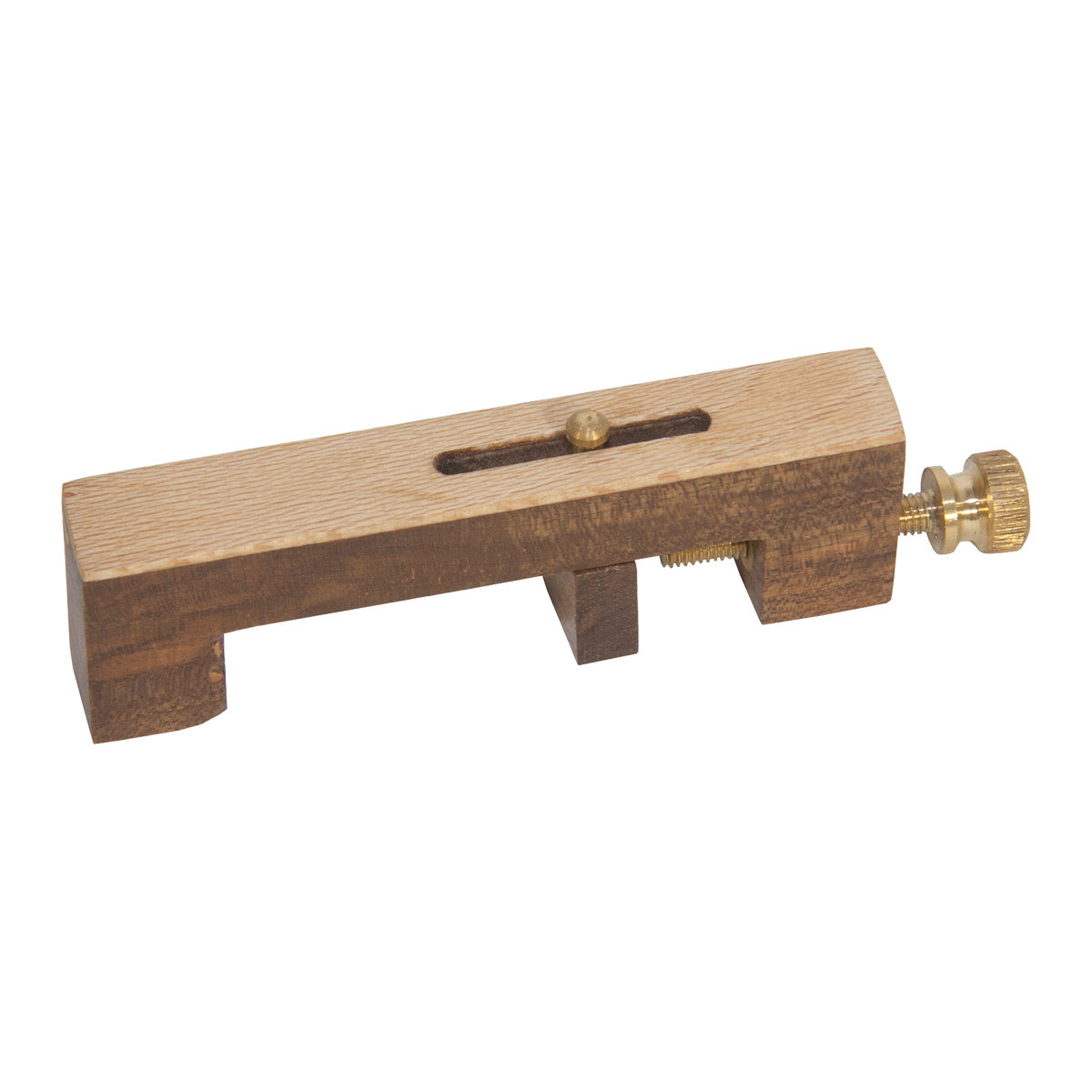
A capo is the fastest way to change keys on a mountain dulcimer without retuning. Clamp it to the fretboard at any fret, and every open string is raised in pitch by that interval. This Roosebeck capo is built from rosewood with a contrasting lacewood inlay, finished with a semi-gloss polish, and tightened with a brass thumbscrew. Adjustable opening fits standard mountain dulcimer necks.
Change Keys and Modes Without Retuning
Place the capo on the fretboard immediately behind the fret you want to capo at, then tighten the brass thumbscrew until the strings are firmly held against the fret. Every open string is now raised in pitch. Capo at the 1st fret to play in E (from DAD tuning), at the 3rd fret to play in F, and so on.
For modal players, the capo is also a way to access different modes from the same tuning. Capo at the 3rd fret of DAD and you're in mixolydian mode without changing a single tuner.
Tip for buzz-free use: Place the capo as close to the fret as possible without sitting on top of it. Tighten only enough to seat the strings firmly. Over-tightening can pull notes sharp.
Wood Construction with a Brass Screw
The capo body is made from rosewood and lacewood, finished in semi-gloss for a refined feel. The brass thumbscrew adjusts smoothly and gives you precise pressure control. Opening dimensions range from 1⅛ inches to 1⅝ inches, which fits standard mountain dulcimer necks (the Grace, Wildwood, and Emma all measure 1.25 inches at the nut).
Optional grip upgrade: Some players add small leather pads to the inside of the capo to prevent any wood-on-wood contact and add a softer grip on the strings. A quick mod that some find improves long-term feel.