Skip to product information
1 of 1

Greek Bouzouki

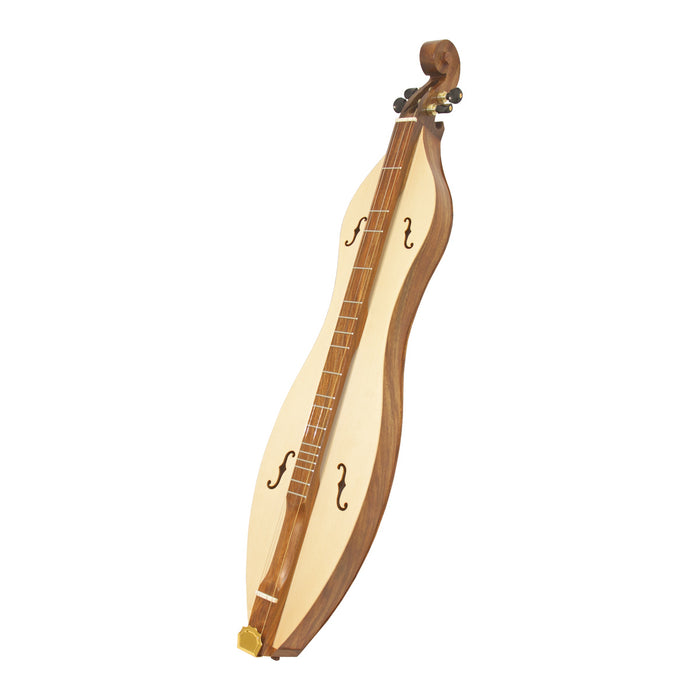
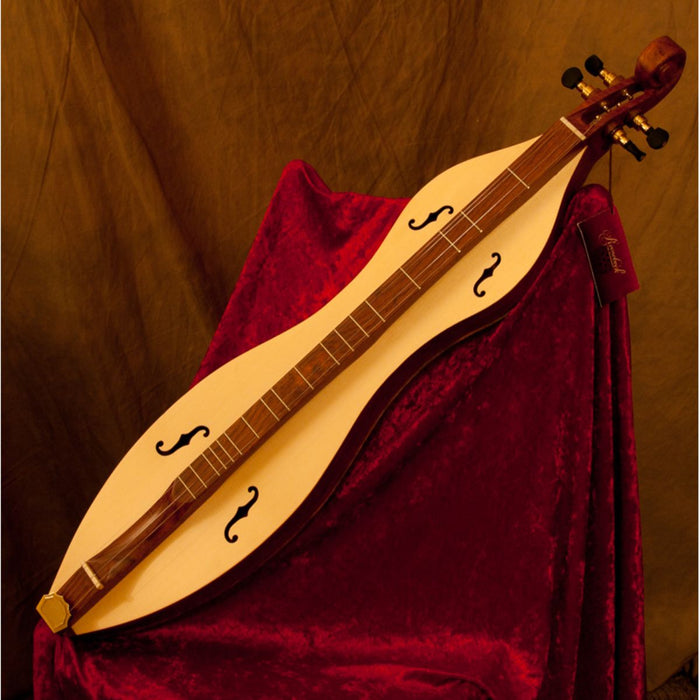
Roosebeck Greek Bouzouki, 4-Course 8-String with Gig Bag

Regular price $699
Regular price Sale price $699
Sale Sold out

Free shipping in the continental USA

Shipping calculated at checkout.
Quantity
Sold out

30-Day Money-Back Guarantee

Return your instrument within 30 days of delivery for a full refund of the purchase price. You cover return shipping; we cover it if the instrument arrives damaged or defective. Read the full refund policy.

4 Courses / 8 Strings Rosewood Stave Body European Spruce Top 26.25" Scale Truss Rod

Ideal for: Rebetiko and Greek folk players, guitarists and ukulele players looking for a new voice, and anyone tracing the instrument back to its source

The Greek original, with a staved rosewood body and CFAD tuning.

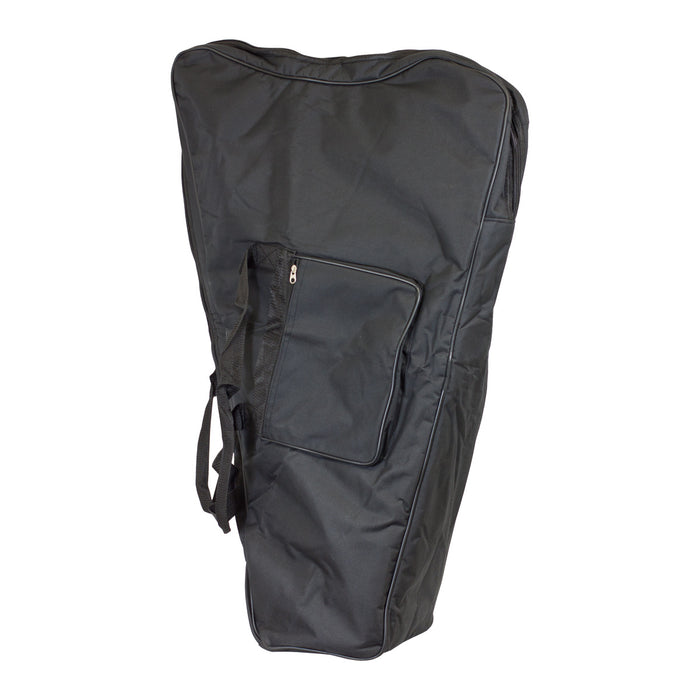
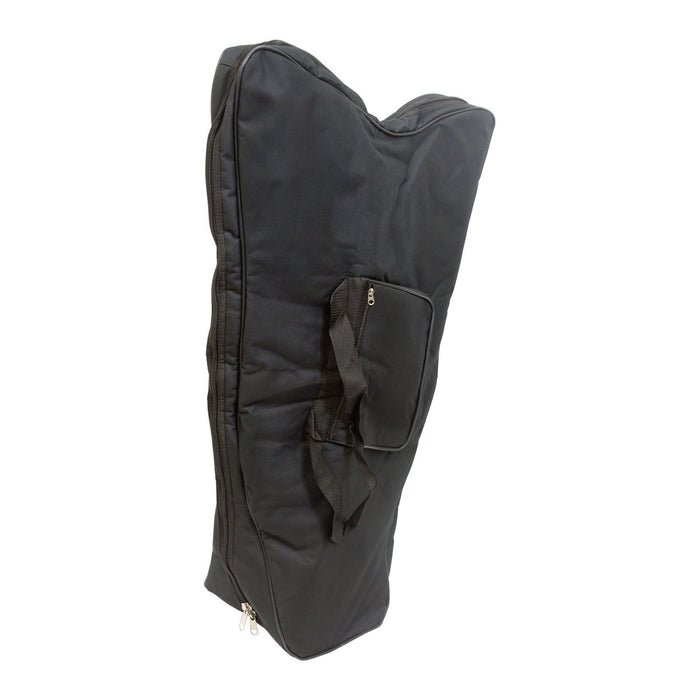
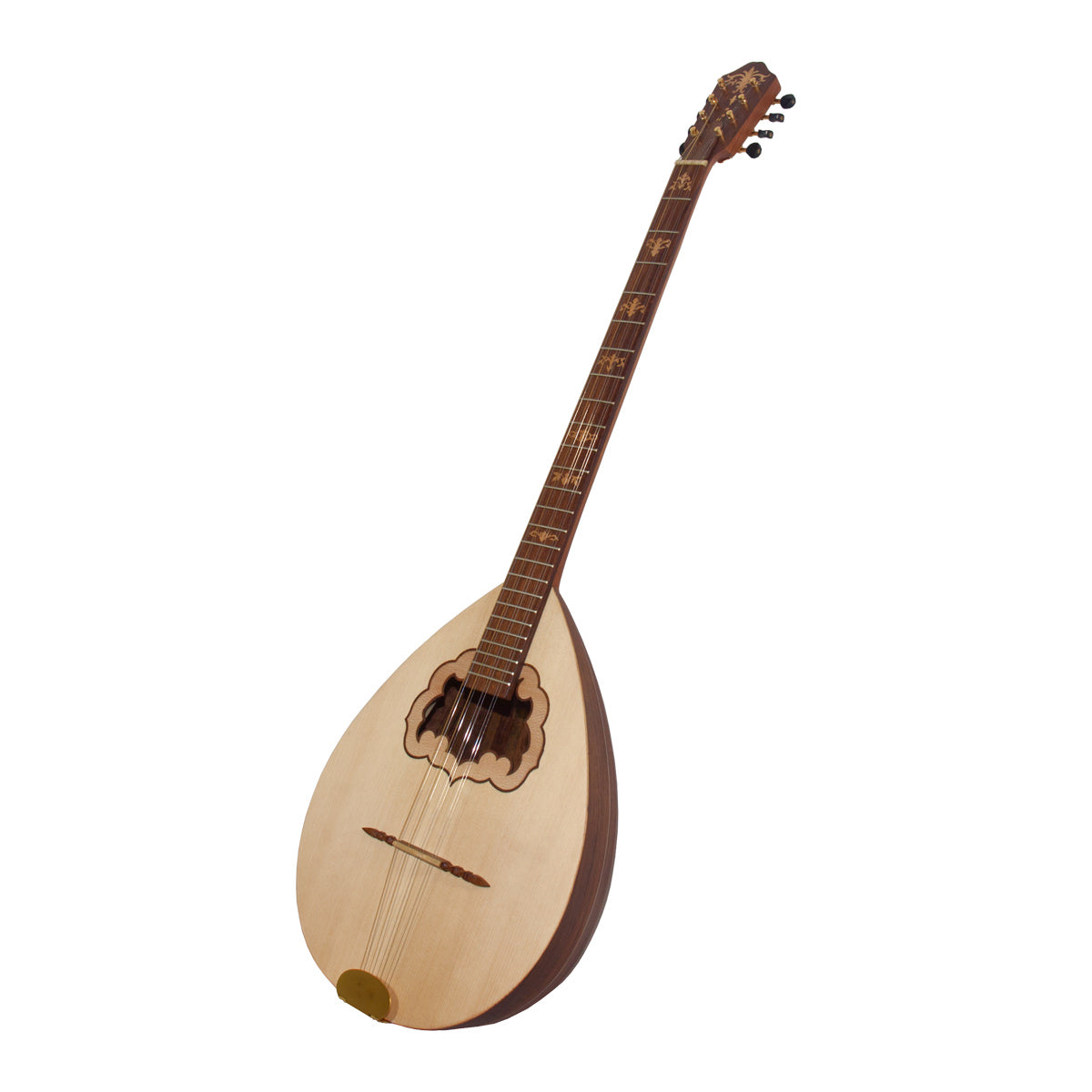
This is the Greek bouzouki, the instrument the Irish one was adapted from, and it is a different animal: four courses tuned C F A D, a longer 26.25-inch scale, and the bright, sharp attack that carries rebetiko and Greek folk music. The body is built from rosewood staves, the same bowl construction our Renaissance lutes use, which is the traditional method for this instrument and the reason it projects the way it does. European spruce soundboard, mahogany neck, rosewood fingerboard, and custom lacewood inlays across the top, fingerboard, and headstock. A padded gig bag comes with it.

Bright, Sharp, and Built to Cut Through

The European spruce soundboard gives the Greek bouzouki its characteristic brightness and quick attack, and the staved rosewood body behind it adds warmth and sustain underneath. Eight strings in four courses produce the chorused shimmer the family is known for, and the longer 26.25-inch scale puts more tension behind each string, which sharpens the attack and adds projection compared to the shorter Irish instrument.

Greek or Irish: The Greek bouzouki tunes CFAD with a longer scale and a brighter, more cutting voice suited to rebetiko and Greek folk. The Irish bouzouki tunes GDAD on a shorter scale for the droning, chordal accompaniment of Celtic session playing. Same family, genuinely different instruments.

A Staved Rosewood Body

The body is built from individual rosewood staves, each shaped and joined edge to edge into a rounded bowl rather than bent from a single sheet or assembled as a flat back and sides. It is the traditional construction for the Greek bouzouki and considerably more work: every stave has to meet its neighbors cleanly along its full length, and any error shows.

The payoff is acoustic. A staved bowl has no flat panels to resonate at a single pitch, so the body responds evenly across the range and the instrument projects forward rather than spreading. It is the same construction our Renaissance lutes use, for the same reason.

The soundboard is European spruce, the neck is mahogany, and the fingerboard is rosewood. Custom lacewood inlays run across the soundboard, the fingerboard, and the headstock, and lacewood suits the job because its ray-fleck figure reads as pattern rather than as a stripe of contrasting wood. There is a truss rod in the neck, which lets you correct relief as the instrument settles or as seasons change instead of living with whatever the neck decides to do. Not every instrument in this price range has one.

A long history: The bouzouki traces back to Byzantine times, when a related instrument was known as the pandura. It later became the tambouras, and around the 19th century evolved into the modern bouzouki. The Irish adaptation did not arrive until the 1960s.

Tuned CFAD, and Easier to Learn Than It Looks

The recommended tuning is C F A D, each course in unison. That is the standard four-course Greek tuning and the one most Greek repertoire assumes.

Here is the part that surprises people: the intervals between those courses, a fourth, a third, then a fourth, are exactly the same as the top four strings of a guitar and the same as a ukulele. The pitches are different, but every chord shape and scale pattern you already know transfers directly. If you play either instrument, you are not starting over.

Coming from guitar: Play your familiar shapes on the top four strings and they will produce correct bouzouki chords, just in a different key than you expect. Learn where the new root notes sit and the rest of your fretting hand comes along for free.

Technical Specifications

Courses 4 (8 strings total)
Body Rosewood stave construction
Soundboard European spruce
Neck Mahogany, with truss rod
Fingerboard Rosewood
Inlays Custom lacewood on soundboard, fingerboard, and headstock
Scale Length 26.25 inches (667 mm)
Recommended Tuning C F A D
Dimensions 37.5 inches L × 11.75 inches W × 7 inches H
Weight 2.65 lbs, 4.85 lbs with gig bag
String care: Strings carry no warranty, and makers suggest replacing them every 3 to 4 months. Keep a spare set on hand, wipe the strings with a dry cloth after playing, and plan on fresh strings if the instrument has been stored for a while.

What's in the Box

Every Greek Bouzouki ships with a case, ready to tune and play.

Padded Gig Bag Owner's Guide (PDF)

Have questions about this instrument? Contact us or browse all Roosebeck instruments.

Questions about this instrument?
View full details

Roosebeck Greek Bouzouki, 4-Course 8-String with Gig Bag

Regular price $699
Regular price Sale price $699
Tradition you can feel, craftsmanship you can hear.
Solid tonewoods
Cured, cut, and chosen for sound.
Voiced by hand
Fretboards dressed, action set, bridges fit by our luthiers.
Made to be played
Built for working musicians, designed to sound better the more you play it.
Since 1973
Five decades of building instruments that last generations.